
"Ethiopian beans"
8000 article(s) found

The birthplace of Ethiopian coffee how to drink Ethiopian coffee powder
Various forms of coffee cultivation can be found in Ethiopia: everything from wild coffee forests and semi-developed land to traditionally operated plots to modern plantations. About 50% of the coffee is grown more than 1500 meters above sea level. Harrar coffee is the highest growing area of all coffee in Ethiopia. Hara coffee can be divided into long coffee.

What's the story of Ethiopian coffee? the story of Ethiopian Coffee and Starbucks
Professional coffee knowledge exchange more coffee bean information please follow the coffee workshop (Wechat official account cafe_style) Starbucks, which has been the king of the world in recent years. To become a well-known fashion brand, in order to arouse the recognition of more consumers with the power of consumption, Starbucks proposed a commitment to the producing area of caffeine (Commitment to Origins; referred to as CTO) in 2003, and promoted

Essential basic knowledge of Ethiopian Coffee-Flavor Story of Ethiopian washed Coffee Bean producing area
Professional coffee knowledge exchange more coffee bean information please follow the coffee workshop (Wechat official account cafe_style) basic knowledge of Ethiopian coffee overview of land area: 1104300 square kilometers capital: Addis Ababa (Addis Ababa) trading city: Dre Dawa (dinosaur Dawa) population: 102774044 (May 2017) language:
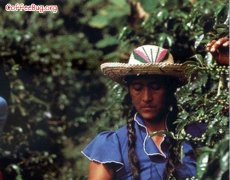
Ethiopian Yega Xuefei boutique coffee beans are synonymous with Ethiopian boutique coffee
Yega Xuefei is a small town, 700-21000 meters above sea level, synonymous with Ethiopian boutique coffee. It has been a wetland since ancient times. The ancient saying "Yirga" means to settle down and "Cheffe" means a wetland. The mode of production and flavor of coffee here are so outstanding that Ethiopian coffee farmers compete to be proud of the flavor of their coffee, making it the best in Africa.

How to drink Ethiopian coffee and such a ceremony? how to drink Ethiopian coffee?
Professional coffee knowledge exchange more coffee bean information please follow the coffee workshop (Wechat official account cafe_style) Ethiopia is the origin of coffee, wild coffee plants, is still growing in Kaffa in the southwest of the country. In Ethiopian language, coffee is called buna, which means beans, and coffee red fruit is called kaffa bunn. Take out coffee beans from red fruit, with sun and half.

Ethiopian coffee beans introduce Ethiopian coffee culture Ethiopian coffee
Professional coffee knowledge exchange more information about coffee beans please follow the coffee workshop (Wechat official account cafe_style) Ethiopia is one of the largest coffee producers in the world. However, its exports are less than half of its growth. In other words, it consumes more than half of its own production. For nearly 100 million people, this is about 500 million pounds of coffee, which is a special order.

The origin and development of Ethiopian fine coffee beans
Ethiopian coffee beans

How does Ethiopian water wash Lim taste? Ethiopian water washing Lim hand flushing method
Professional coffee knowledge exchange more coffee bean information please follow the coffee workshop (Wechat official account cafe_style) Ethiopian coffee is mainly produced in eight major areas, LIMU is one of them. Most Ethiopian varieties are named after this name. on the one hand, there are many varieties and it is difficult to identify and classify them, on the other hand, the Ethiopian government is unwilling to protect them.
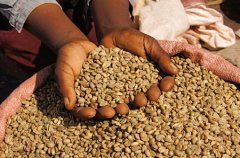
Ethiopian boutique coffee introduces Ethiopian boutique coffee taste Ethiopian coffee
Ethiopia is one of the major producers of Arabica coffee in Africa, producing the best Arabian coffee in the world. It is said that coffee was first discovered by shepherds in Essekafa, and the name of coffee evolved from Kafa, so Essex is still the hometown of coffee. The geographical environment of coffee production and processing is very suitable for coffee growth. Coffee is mainly cultivated.

Overview of Ethiopia Green Coffee beans Why buy Ethiopian Green Coffee beans
Coffee beans in the Yirgacheffe Yegashifi, Sidmao Sidamo, Harrar Hara and Limulim regions are located in the Ethiopian highlands and account for 63 per cent of Africa's contribution to the global supply of raw coffee beans according to regional symbols. Ethiopia has long been coveted for its famous Arabica coffee tree and its aromatic and rich coffee beans. Yirgac of Sidamo province

Ethiopian coffee varieties Ethiopian coffee varieties
Ethiopia can find a variety of coffee cultivation methods: from wild coffee groves and semi-developed land, to small plots of traditional management, to modern plantations. About 50 percent of coffee is grown at altitudes of more than 1500 meters. Harrar coffee is the highest coffee grown in Ethiopia. Hara coffee can be divided into long coffee

Flowers and honey sweet Ethiopian coffee Ethiopian flavor sidamo products
At present, there are many native forests of coffee in Ethiopia, which can be said to be a gene pool of coffee, and this gene pool will be the solution to many coffee problems. Ethiopian coffee beans are of high quality and have a wide variety of flavors, and few countries are second to none. As for the treatment of raw beans, some places are insolated, some are washed, and both are used.
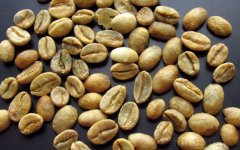
Ethiopian (Ethiopian) Mocha Coffee Green Beans
Ethiopia mocha green bean The home of Arabica coffee, grown at high latitudes, requires a lot of manual care. Here is the famous Ethiopian mocha, which has a similar acidity to wine, aroma, and yield. Ethiopia also looks at its neighbors across the Red Sea

Ethiopian Coffee beans | Ethiopian Coffee producing areas | Yedamei Cooperative
Professional coffee knowledge exchange more coffee bean information please follow the coffee workshop (Wechat official account cafe_style) Ethiopian coffee Yega Xuefei G1 Adamei Ethiopia Yirgacheffe G1 Washed Adame Gorbota ■ country: Ethiopia ■ coffee producing area: Vanaguo ■ altitude: 1750m ■ treatment: washed ■ grade: G1 ■

Ethiopian Coffee processing in Ethiopian Coffee producing areas
A large amount of coffee production (95%) is done by small shareholders, with an average yield of 561 kg per hectare. For centuries, minority holders of Ethiopian coffee farms have been producing a variety of high-quality types of coffee. The secret of producing high-quality coffee is that coffee growers have developed environmental conditions through generations of repeated learning about the coffee planting process.

What kind of coffee is unique to Ethiopia? what are the better brands of Ethiopian coffee?
Professional Coffee knowledge Exchange more information on coffee beans Please follow the coffee workshop (Wechat official account cafe_style) Ethiopia has been providing some of the best evaluated single quality coffee beans in the world. Generally speaking, Ethiopian coffee is famous for its fruit wine and obvious acidity. The average altitude of planting environment in Ethiopia is 1500-2200m, and the harvest time is November-2.

Ethiopian Sidamo Lion King Coffee introduces Ethiopian coffee producing area Ethiopian coffee
Ethiopia is the country where coffee was first discovered. Today, there is still a lot of wild coffee for farmers to harvest in the primeval forest. Ethiopia is a country with poverty, drought and civil war, but it is still the most important coffee producer in terms of coffee quality and output, and it is also the best and top coffee producer in the past year or two. Ethiopian coffee can be divided into two treatments. Water washing
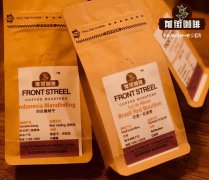
Ethiopian Coffee Bean Story-relationship between Ethiopian Coffee Bean grading and defect rate
Professional coffee knowledge exchange more coffee bean information please follow the coffee workshop (Wechat official account cafe_style) in all the coffee producing areas, the most familiar is Ethiopia, because this is the recognized birthplace of coffee. At first, coffee fruit was regarded as a fruit rather than a drink. Ethiopian coffee beans taste very diverse, from oranges and flowers

Comparison of characteristics and taste of Ethiopian coffee beans how to drink Ethiopian coffee beans
Professional coffee knowledge exchange more coffee bean information please pay attention to the coffee workshop (Wechat official account cafe_style) Essex coffee beans in the large particles and small particles in the flavor difference? In order to verify this problem, the editor decided to pick two sets directly and compare them. Take the washing of Sidamo G1 as an example, the coffee beans with obvious differences in size are selected and the same cooking parameters are used.
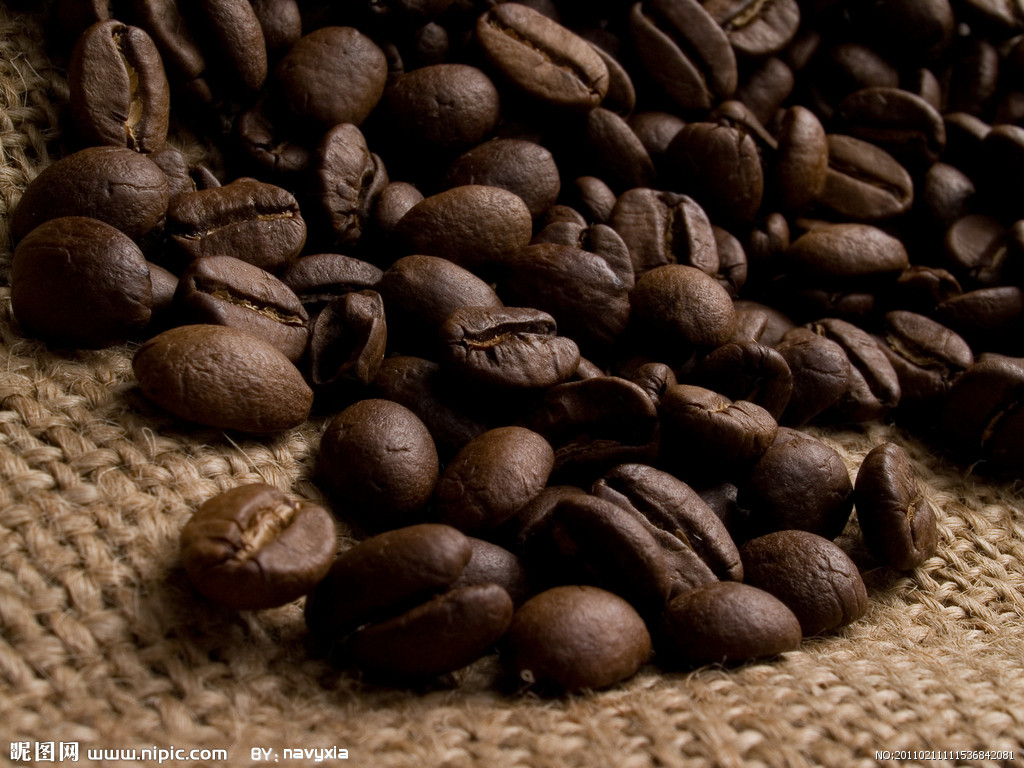
Arabica beans Arabica beans specialty coffee Country of origin Ethiopian coffee
The birthplace of Ethiopian coffee-Ethiopia. The coffee tree originated in Ethiopia, where it was originally a wild plant, and the name coffee comes from the Ethiopian town of Kaffa. In fact, many coffee trees in Ethiopia are still wild plants, and the coffee grown on this coffee tree is full of particles and slightly fragrant. human